Product & Experience · Developer Community
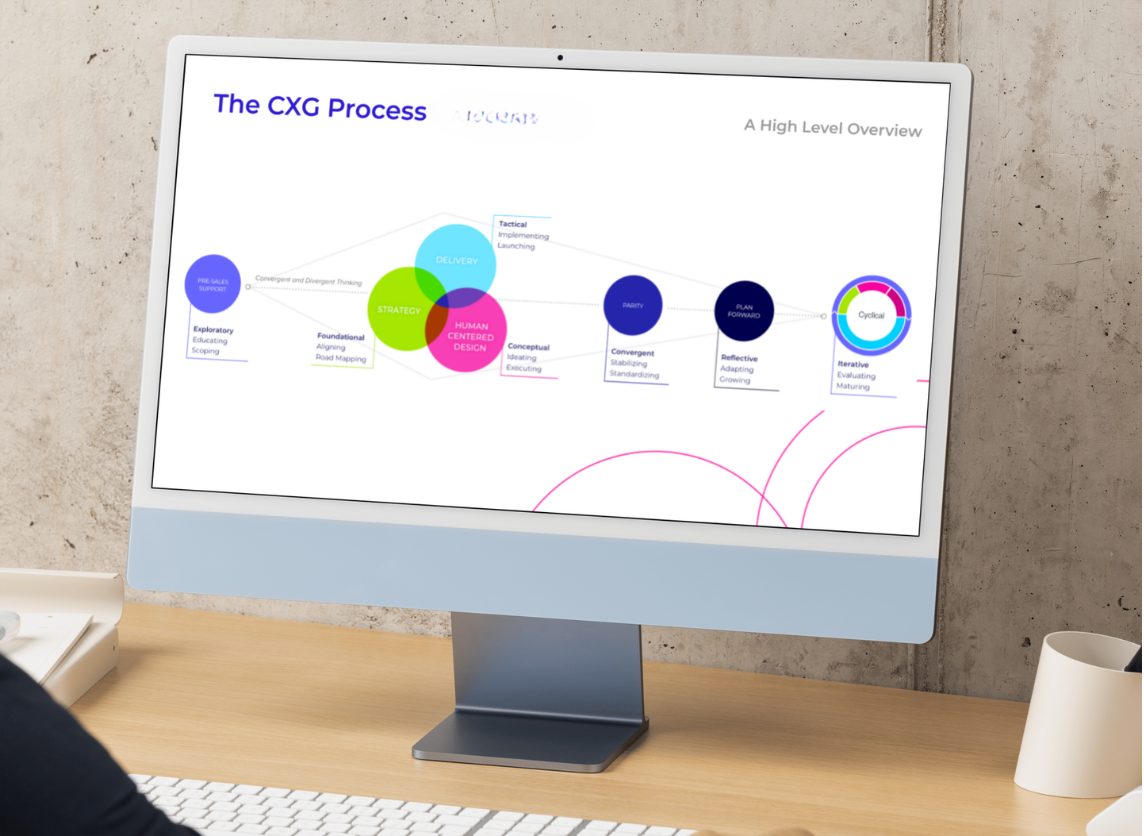
Google Cloud's users had scattered across GitHub, Stack Overflow, and a graveyard of official communities that nobody had maintained. The brief was one destination they'd actually trust. We led human-centered design across the engagement — from pre-sales through launch — for the Khoros Community Experience Group.
The Ask
As North American UX Lead for the Khoros Professional Services Community Experience Group, we routinely led engagements customizing the Community product for Microsoft, Visa, GM, Samsung, and Sephora. The way we conducted the Google Cloud engagement set the new bar for a best-in-class approach.
They wanted a single official channel serving tens of thousands of customers across four genuinely different audiences — developers, engineers, data scientists, and students. At $250,000, previously unheard of record for a design-led services engagement, it was the largest design deal Khoros had ever sold, and we were involved at every phase: sales, onboarding, strategy, design, and launch.
Through qualitative research with a handful of superusers, my team discovered the problem was never the platform. It was staying-power and trust, which is developed over time.
The Approach
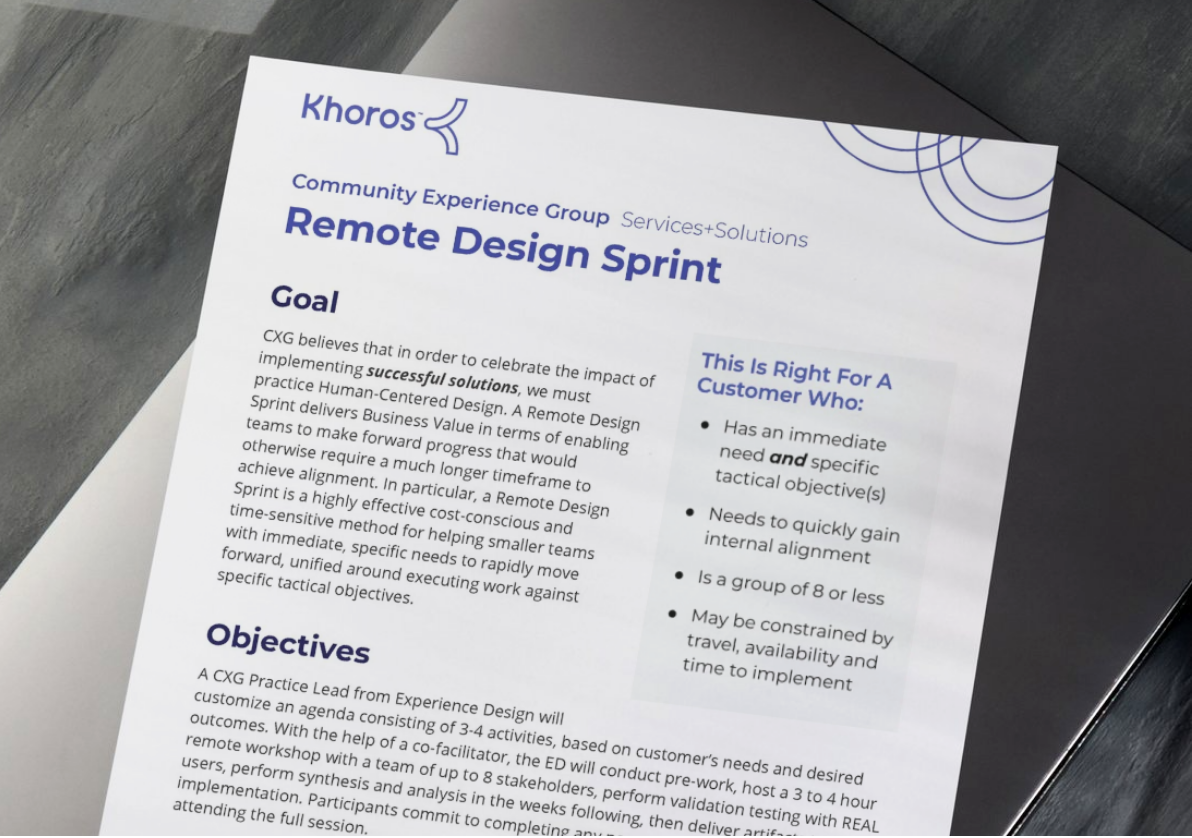
Developed an all-new suite of design-driven service offerings, created pre-sales materials that made the case for flex-to-fit engagements, educated the sales team, and led exploratory calls with qualified Tier 1 prospects. Custom sales demos turned pitch meetings into working Q&A sessions. Winning the engagement was part of the design work, not a precursor to it.
Human-centered research reframed the ask. Users hadn't left because the software was bad. They'd left because nobody maintained what they'd been promised. Everything downstream — the phased launch, the openly shared roadmap, the investment in champions — was designed to answer that.
The information architecture had to let developers, engineers, data scientists, and students each find their own territory fast — while keeping the shared value of a single official channel intact. The opposite of the scattered ghost communities we were consolidating.
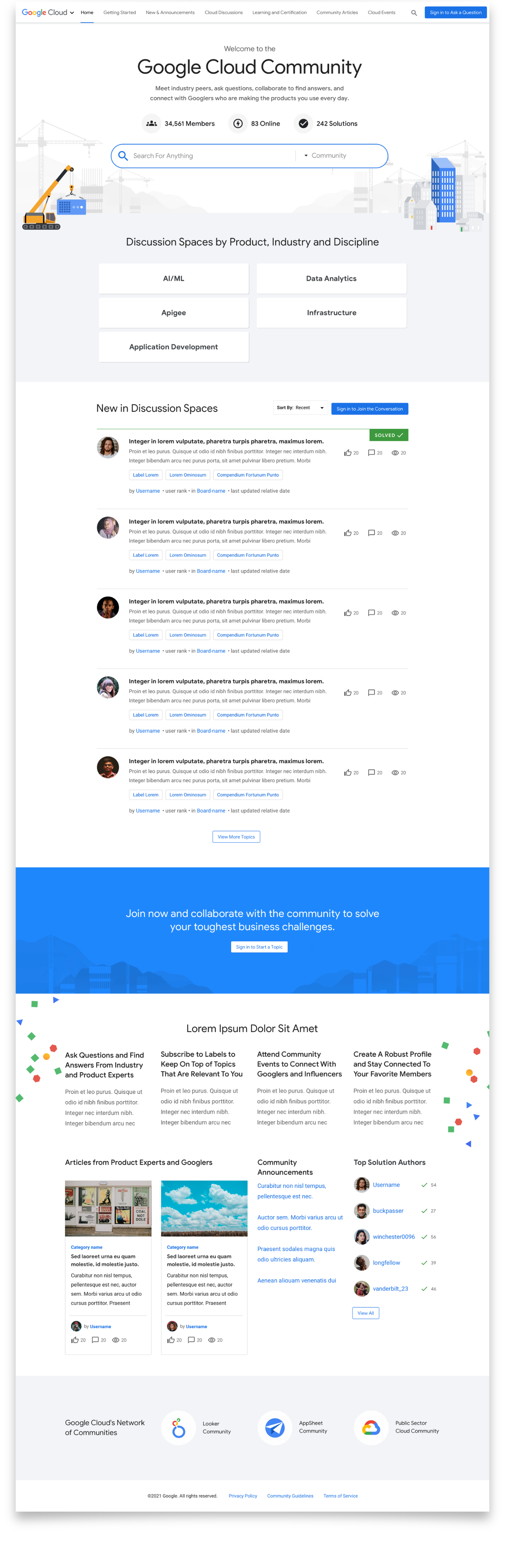
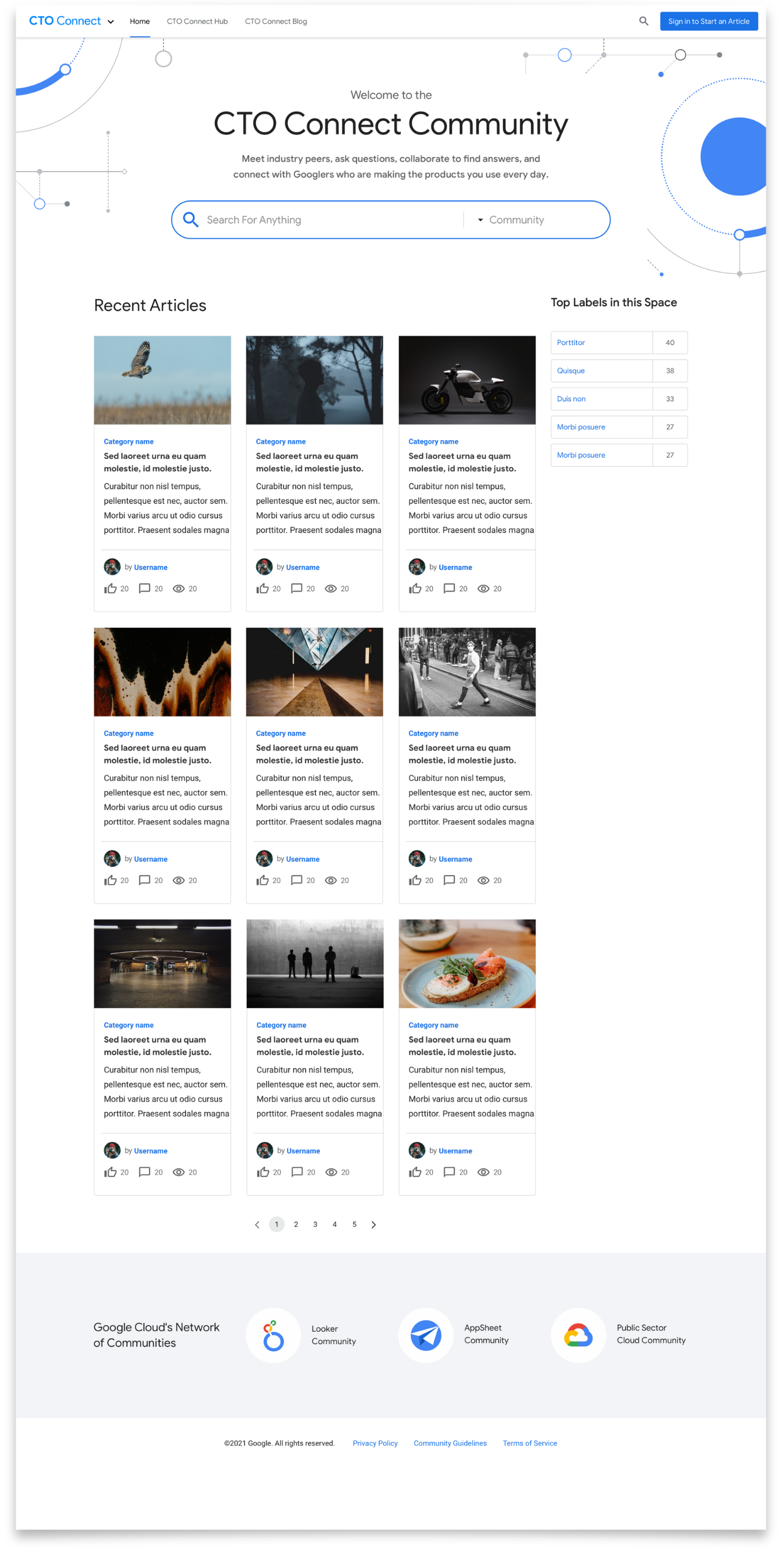
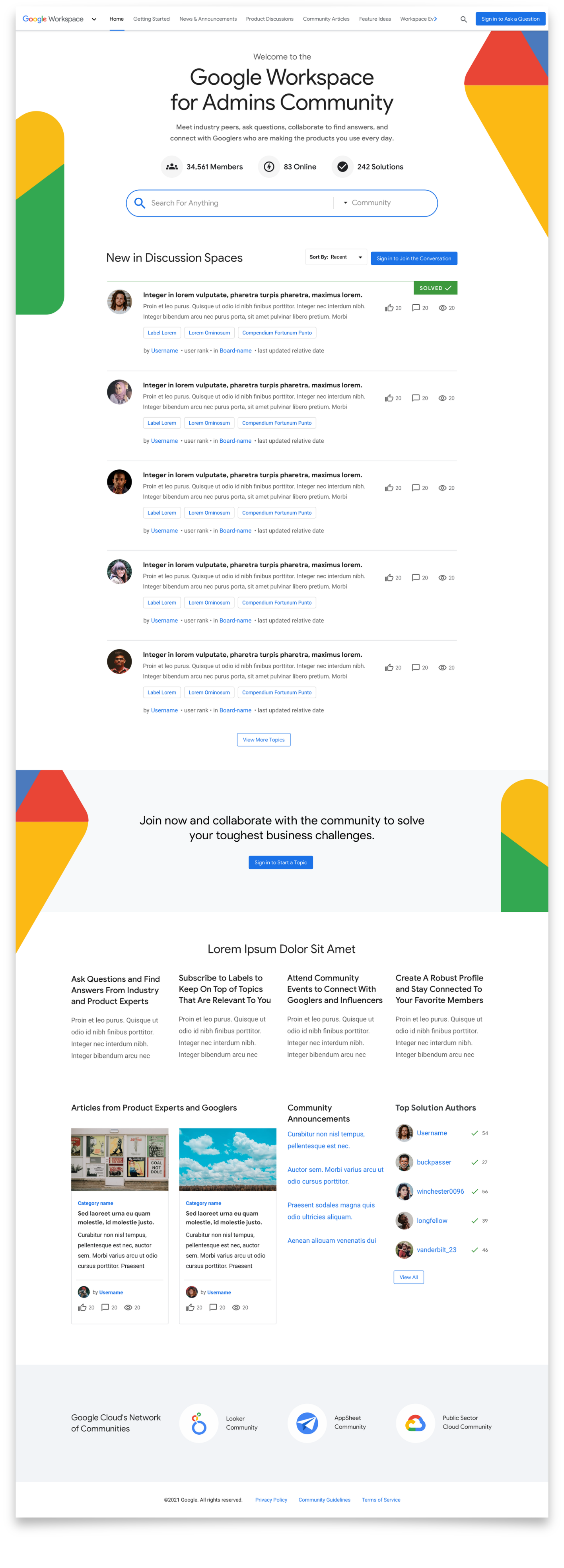
Concept and validation testing in roundtable discussions with eight Google Cloud superusers — the champions and thought leaders whose participation would decide whether anyone trusted the thing. Their input shaped recognition, perks, and the paths for sharing expertise. Then we built it: a robust custom UI Kit marrying Google's Material design language to the Community product, and a phased launch with the roadmap shared openly.
“I want the Ferrari of communities — if this project is a success it could make my career.”
Andrew, Google Cloud · A personal mission from pre-sales to launch
The Outcome
 $250K
The largest design deal Khoros had ever sold
Previously unheard of at this scale
$250K
The largest design deal Khoros had ever sold
Previously unheard of at this scale
 8
Superusers shaped the contributor model
Concept and validation in roundtable discussions
8
Superusers shaped the contributor model
Concept and validation in roundtable discussions
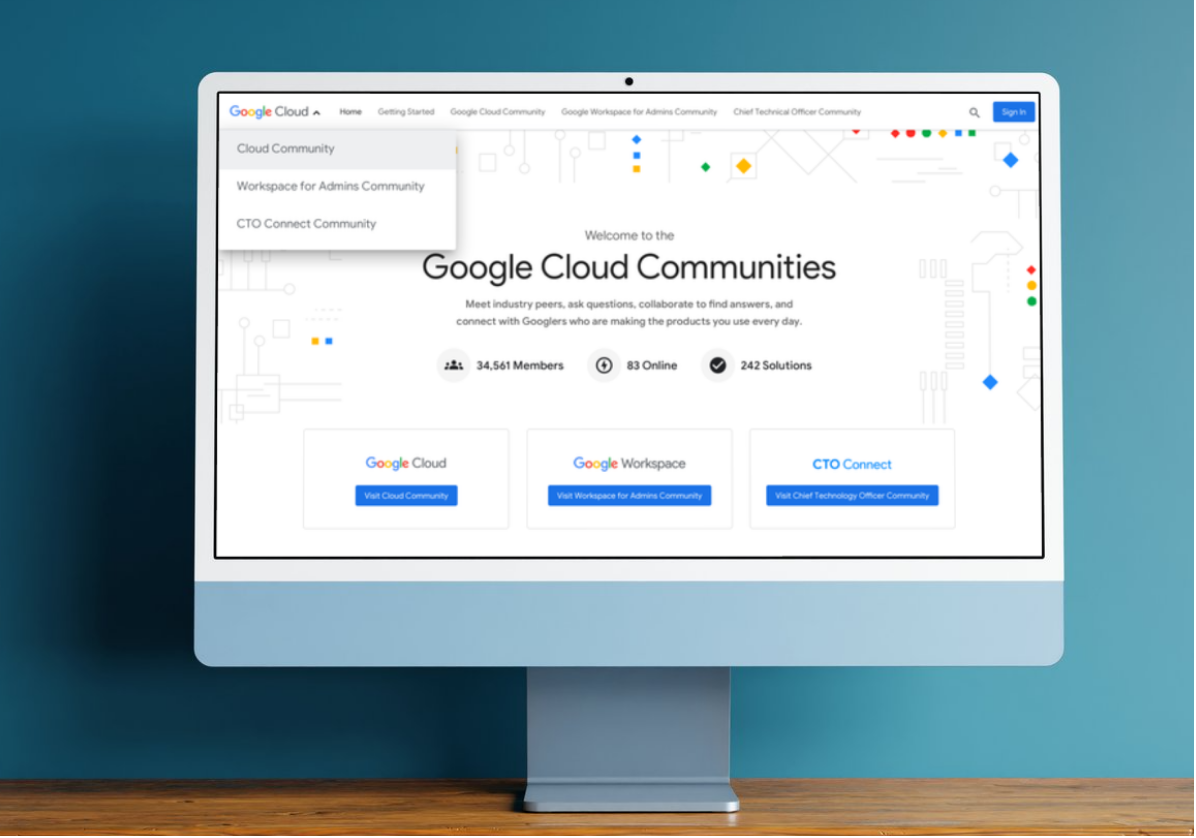 4
Custom community themes, shipped
Events, Roadmaps Hub, Profiles, Solutions
4
Custom community themes, shipped
Events, Roadmaps Hub, Profiles, Solutions
What Made It Work
The research said users had been burned before. Everything downstream — the phased launch, the openly shared roadmap, the investment in champions — was designed to answer that, not to add features.
The Khoros Community product was outdated and mid-rebuild; it didn't support customers' branding well or integrate easily with their design systems. The custom UI Kit was a deliberate bridge — it held Google's exacting standards across a surface too large to police screen by screen, and let development move fast without re-litigating every component.
A community of communities only works if the people with expertise show up. Designing recognition and rewards from what eight of them actually told us is why that pillar held.
Selected Artifacts