Product & Experience · Digital Government
We founded and built Helix — a white-label, accessible-by-default design system — end-to-end, and the business case that won the funding to create it in the first place. Today it's the foundation of the MyGov platform now live in two states.
The Ask
We built the plane while flying it. Digital government is high-stakes and low-forgiveness — it has to work on any device, for any citizen, at any level of ability, on any bandwidth, and it has to hold up in front of oversight and audit.
The organization was ready to build a next-generation platform, but design wasn't yet a first-class function inside its delivery process. Someone had to stand up the team, build the system, integrate both into the Agile cadence, and make the business case that funded the whole thing.
The Approach
Design wasn't going to happen unless leadership saw the return. Wrote the case, benchmarked against Google Material, Atlassian, Salesforce Lightning, and IBM Carbon, and translated it into an investment the org could stand behind.
Foundations first: color, type, spacing, motion, iconography. Then components: buttons, inputs, tables, patterns for form workflows — every one documented for its states, its accessibility behavior, and its intended composition.
Folded the design team into the Agile delivery process — sprint by sprint, in the room, part of the estimate. The system evolved alongside the platform, not lagging behind it.
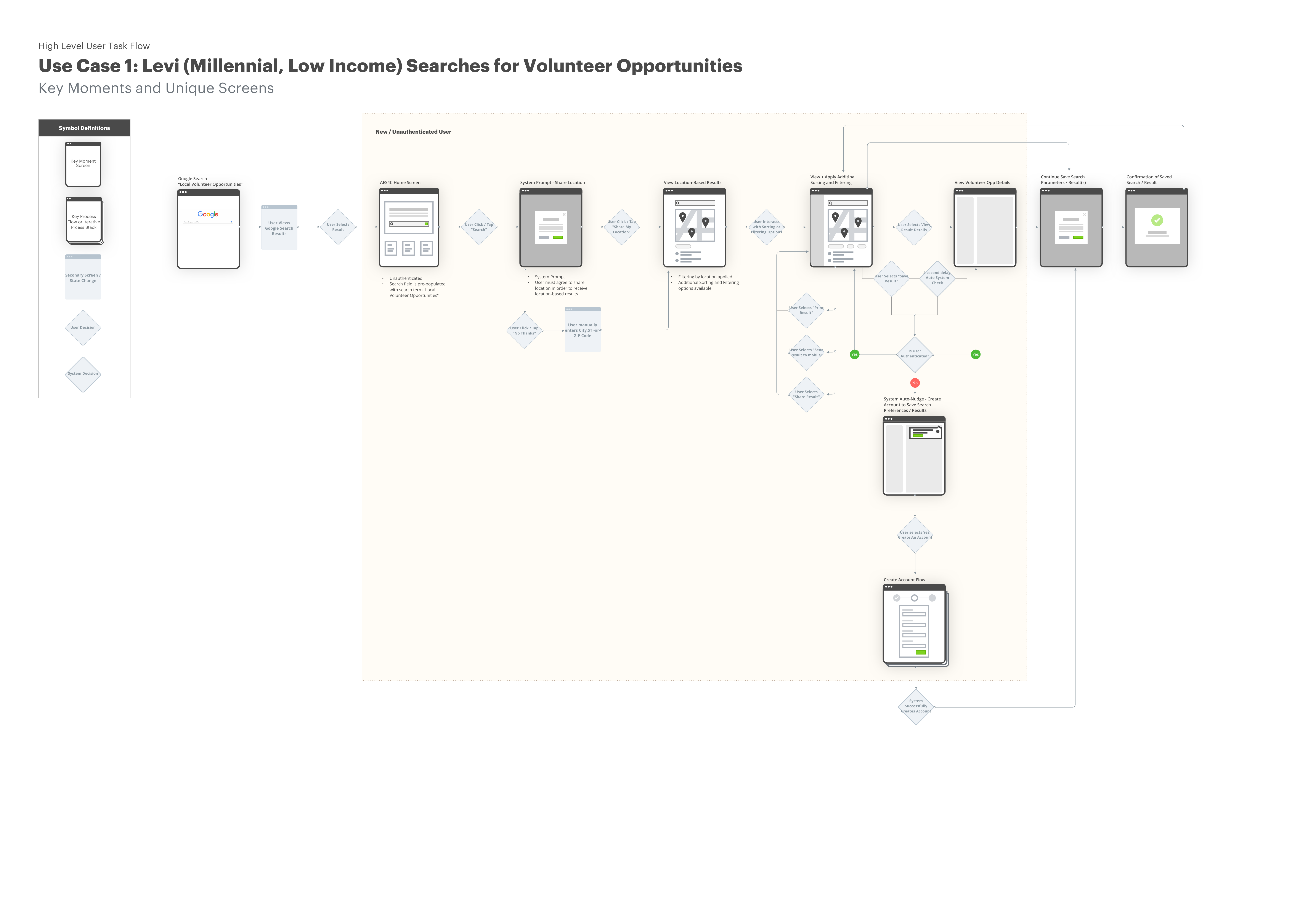
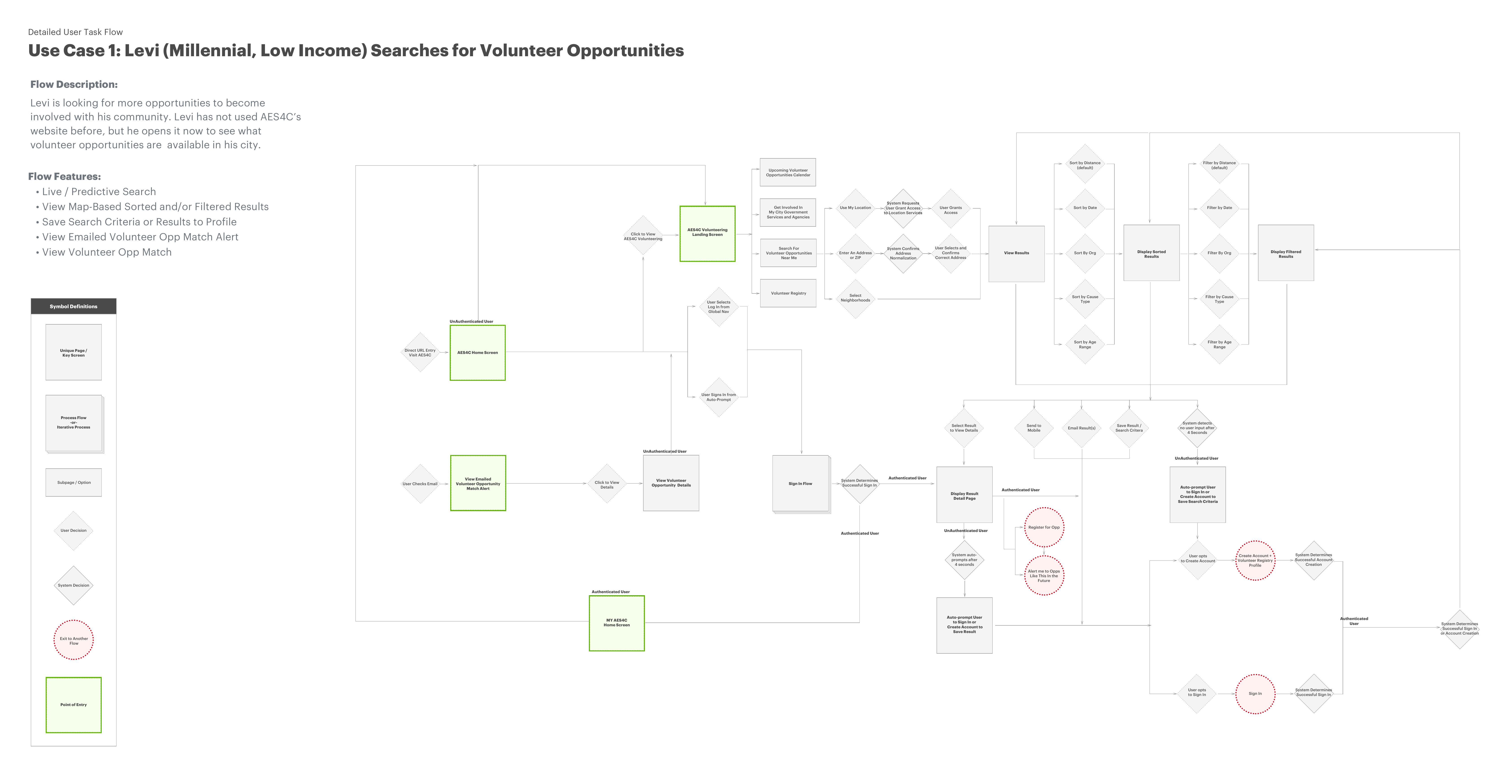
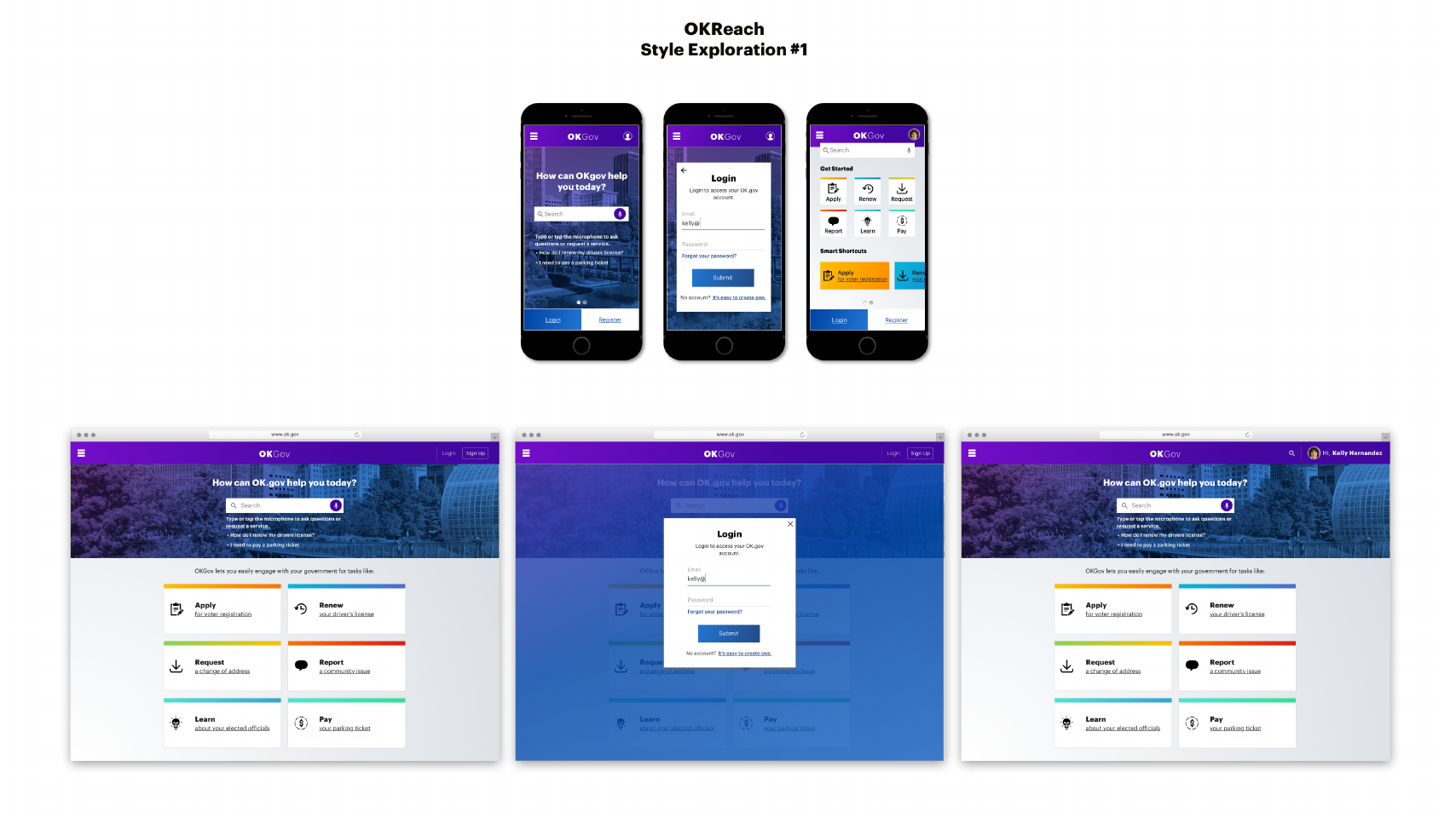
Every component composed onto a real, containerized Angular/WSO2 platform serving real citizens — flows across responsive web and native mobile, information architecture that stood up under audit, and governance that kept teams moving fast without drift.
Fluid & Flexible · Focused · Collaborative & Iterative · Impactful & Useful · Inclusive & Holistic
Five principles that governed how the system evolved
The Outcome
What Made It Work
Accessibility was a foundation of the system, not a post-hoc audit. If a component wasn't accessible, it wasn't in the library. Downstream teams couldn't accidentally ship inaccessible experiences because the system wouldn't let them.
The system had opinions. Guardrails were explicit, so downstream teams knew when to compose and when to escalate. That's how you move fast without drift.
The five principles kept both sides accountable as the platform scaled. Design couldn't hide behind pretty comps; engineering couldn't shortcut the standards. The system existed to keep the conversation productive.
Selected Artifacts